Architecture has always been a tool to generate money. However, today, it has become a representation of excess. Simple principles of architecture have seemed to disappear for the sake of developers and economic growth. Aspects such as scale or specificity have been overthrown. Furthermore, there is this tendency to provide more amenities than needed in order to attract wider audiences rather than provide the proper necessities. Architecture seems to be focusing on the real estate rather than the individuals. For instance, the new Domino Sugar Factory project led by SHoP Architects ignores the scale of the neighborhood and the impacts it will cause on the locals.
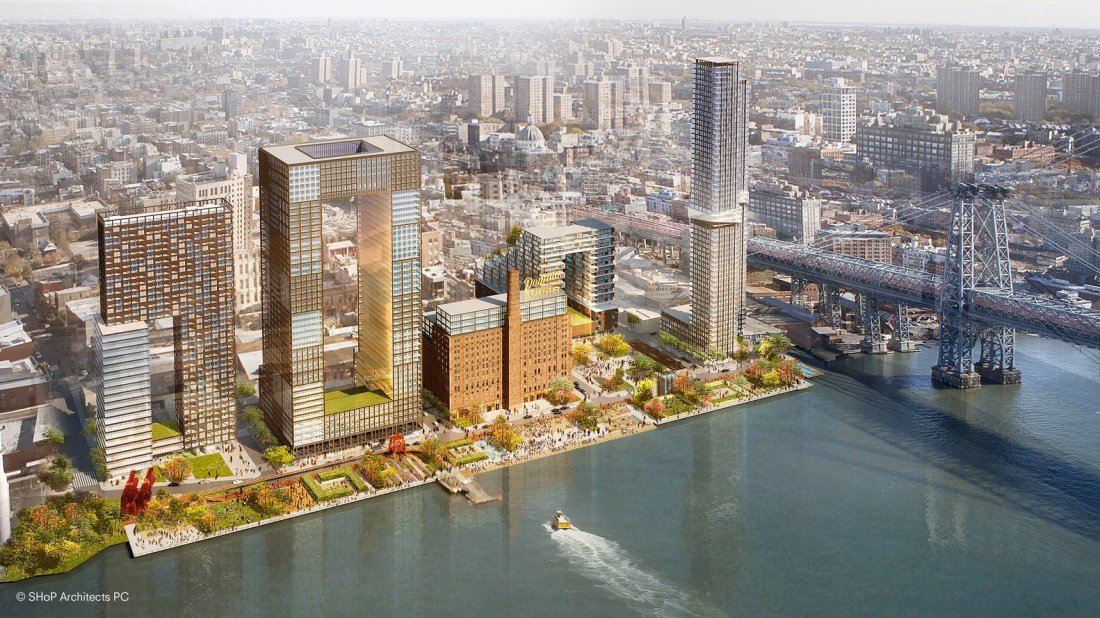
The generating income has overthrown the sense of scale of projects. We are no longer designing for individuals but for developers. There is no longer the attention to neighbors, to our surroundings. Le Corbusier’s Second Point of architecture – roof gardens – has been absent in our buildings. Logistically they are not ideal but the essence of it, the relation with nature, has been ignored.
In some instances, the program of buildings has become excessive. Architects are now only working for developers whose focus is on attracting new clients and increase the income. The success of a building is often due to its marketing, its social media feed and no longer on the quality of the building, the attention to natural light or details. Architecture is lacking individuality. The overwhelming majority of architecture does not design for the individual, his comfort and quality of life.
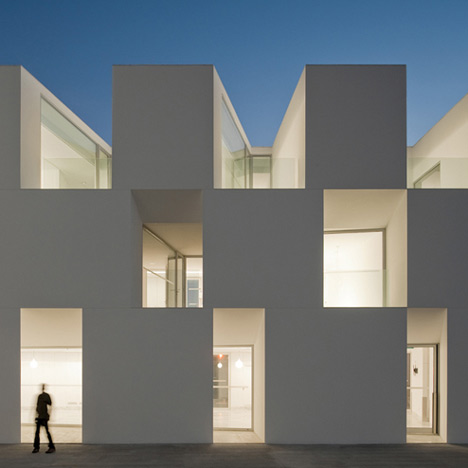
For instance, Aires Mateus’s houses for the elderly in Alcacer, Portugal are a successful project focus on the client’s experience and well-being. “It is a program, somewhere in between a hotel and a hospital, that seeks to comprehend and reinterpret the combination social/private, answering to the needs of a social life, and at the same time of solitude. Independents unities aggregate into a unique body, whose design is expressive and clear.” The project interacts beautifully with light and its topography as it rises from the ground. It has created a strong community and comfort spaces for the elderly.
I understand the need of generating money through buildings. However, I believe we have pushed it too far in the world of real estate; we are designing less with care and more with greed. It is long overdue to take a stance and design with intent. Beauty is less and less in the vocabulary. Well proportioned architecture is less apparent. I am curious if we can find a formula to “re-design” the real estate approach to architecture. Architects should be working on finding the middle ground to keep generating money but also offer new options that deal with providing the proper needs to people rather than an abundance of superficial amenities. We need to step away from the obvious gentrification and design inclusive projects, design with scale and be aware of each other.


